7 Myths About Brain Supplements, Debunked
Quick Answer: What are the biggest myths about brain supplements?
Partly, and with realistic expectations. Some ingredients, like standardised bacopa, have real but modest evidence for memory in healthy adults, while many popular claims are marketing. The biggest myths are that more ingredients means better, that nootropics work instantly, that natural means side-effect-free, and that supplements can reverse dementia. None of those holds up.
- More is not better — long lists often mean under-dosed ingredients.
- Nothing works instantly — cumulative herbs need weeks.
- Natural is not risk-free — and nothing here treats disease.
The brain-supplement aisle runs on a particular kind of storytelling: a grain of real science, wrapped in a promise several sizes too big. That does not make the whole category worthless — a few ingredients genuinely earn their place — but it does mean a buyer has to be able to tell the evidence from the embellishment. The fastest way to do that is to know the myths cold, so the pitch cannot land.
Here are seven of the most common myths about brain supplements, and what the evidence actually says. The theme running through all of them is the same: real benefits are modest, gradual and specific, and any claim that sounds like a shortcut is the part to distrust.
Myth 1: More ingredients means a better product
This is the most expensive myth to fall for. A label listing fifteen actives looks generous, but a capsule has a fixed volume, so the more names you cram in, the smaller each dose becomes. The result is often a "fairy dusting" — enough of each ingredient to justify printing it, far too little to match the amount used in the studies that made it famous. A focused formula with four or five ingredients at real doses will nearly always outperform a crowded one. Count the milligrams, not the names.
Myth 2: Nootropics work instantly
Some ingredients do have same-day effects — caffeine is the obvious example — but the memory-focused botanicals that most brain supplements are built around do not. Bacopa monnieri, the best-evidenced of the group, shows its benefits over roughly 8 to 12 weeks of daily use, not in the first afternoon. Anyone promising an overnight transformation is either selling a stimulant in disguise or misreading their own product's evidence. Judge a cumulative supplement after weeks, not hours.
This myth quietly causes two problems. It sets buyers up to quit a genuinely useful ingredient after a few days because they felt nothing, and it pushes formulators to load products with stimulants so a customer feels something immediately — even when the felt effect is just caffeine, not the memory ingredient they paid for. If you understand that the real work happens slowly, you stop chasing the buzz and start measuring what matters over a proper window.
Myth 3: "Natural" means no side effects
Natural and harmless are not the same word. Botanicals are pharmacologically active — that is the entire point of taking them — and active compounds can have downsides. Ginkgo biloba can affect bleeding and interacts with blood thinners, and the largest trial ever run on it — a randomised dementia-prevention study of more than three thousand older adults, published in JAMA in 2008 — found no reduction in dementia incidence; several herbs interact with common prescription medicines; and product quality varies between brands. Natural nootropics are generally gentle, which is a genuine advantage, but "gentle" is not "consequence-free." Start at the low end of the dose, read the label, and involve a pharmacist or doctor if you take other medication.
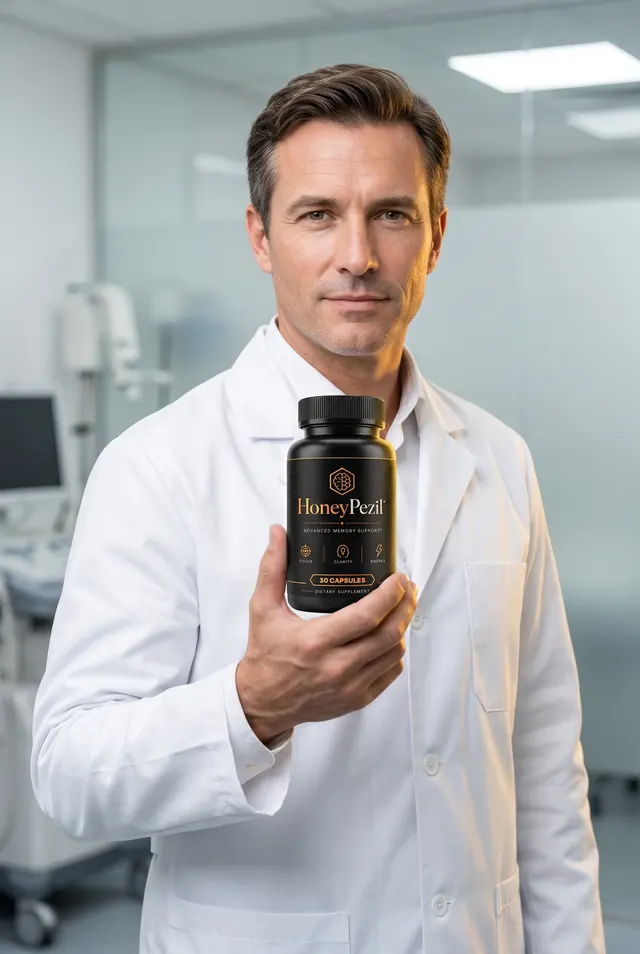
Myth 4: Supplements can reverse or cure dementia
This is the myth that matters most, because believing it can delay real care. Dementia and Alzheimer's disease are serious medical conditions that require professional diagnosis and treatment, and no dietary supplement is a therapy for them. The ingredients in brain supplements are studied for everyday memory and focus in healthy adults — a completely different question from treating disease. If you or someone you love has genuine, worsening memory loss, the right and urgent step is to see a clinician, not to reach for a bottle.
Myth 5: If it's on the label, it's at an effective dose
A close cousin of Myth 1, and worth its own line. Seeing an ingredient named on a label tells you it is present, not that it is present in a useful amount. Proprietary blends make this worse by lumping several ingredients under one total weight, so you cannot see how much of each you are getting. Look for products that disclose the dose of each active and compare those numbers against the doses used in research. Transparency is itself a quality signal.
Myth 6: Everyone responds the same way
Supplement marketing implies a uniform result, but human responses vary widely. Genetics, baseline diet, sleep, caffeine habits and even gut absorption all shape how — or whether — you feel a given ingredient. This is exactly why the sensible approach is to introduce one thing at a time and track your own response, rather than trusting a testimonial. Your neighbour's glowing review is a data point of one, and that one is not you.
The flip side is also true and more hopeful: an ingredient that did nothing for a reviewer online might do something modest for you, because your starting point is different. Someone who already sleeps well, eats sensibly and drinks coffee daily has less room to improve from a nootropic than someone running on a chronic deficit. Treat every claim — positive or negative — as a hypothesis to test on yourself, not a verdict.
Myth 7: A supplement can replace sleep, exercise and diet
No capsule outperforms the fundamentals, and pretending otherwise is the quietest myth of all. Sleep is when memory is consolidated; regular exercise has some of the most robust evidence of anything for long-term brain health; and a decent diet supplies the raw materials your neurons run on. A supplement is, at best, a small addition on top of those. Used to paper over chronic under-sleeping or a poor diet, it is money spent to avoid the thing that would actually help.
Myths versus reality, at a glance
| The myth | The reality |
|---|---|
| More ingredients = better | Long lists often mean under-dosed actives |
| Works instantly | Cumulative herbs need weeks of daily use |
| Natural = no side effects | Botanicals can interact and cause effects |
| Can reverse dementia | No supplement treats disease — see a clinician |
| Named = properly dosed | Check the milligrams, beware blends |
Strip the myths away and what remains is actually reassuring. A short, transparently dosed formula, given weeks of consistent use, can offer a modest and real edge in everyday focus and recall for some people — on top of good sleep, movement and food, never instead of them. That is a claim worth trusting precisely because it is not spectacular.
Medical note: this article is general information, not medical advice, and nothing here is intended to diagnose, treat, cure or prevent any disease. Speak to a healthcare professional before starting any supplement, especially if you are pregnant, nursing, taking medication or concerned about memory loss.
Frequently asked questions
Do brain supplements really work?
Some do, modestly, for the right person. A handful of ingredients such as standardised bacopa monnieri have randomised-trial evidence for small improvements in memory in healthy adults over weeks. Many others rest on weak or preliminary data. The honest picture is a gentle, gradual edge for some people, not a dramatic or guaranteed boost for everyone.
Is a bigger ingredient list better?
No, and it is often worse. A long list of actives usually means each one appears in a token amount, well below the dose used in research, because a capsule can only hold so much. A short list of ingredients dosed to match the studies is far more useful than a dozen impressive-sounding names in trace quantities.
Are natural nootropics automatically safe?
No. Natural does not mean harmless. Botanicals can cause side effects, interact with prescription medicines, and vary in quality between products. Ginkgo can affect bleeding, and several herbs interact with common drugs. Natural nootropics are generally gentle, but you should still start low, read the label and check with a professional if you take medication.
Can supplements reverse memory loss?
No. Progressive memory loss and dementia are medical conditions that require professional diagnosis and care, and no supplement is a treatment for them. Nootropic ingredients are studied for everyday memory and focus in healthy adults, not for reversing disease. If you or a family member has genuine, worsening memory loss, the right step is to see a clinician.
Scientific references
- Kongkeaw C. et al. — Meta-analysis of randomized controlled trials on cognitive effects of Bacopa monnieri extract, J Ethnopharmacol (2014)
- NIH NCCIH — Ginkgo: What You Need To Know
- Alzheimer's Association — Alternative treatments and supplement claims
- U.S. FDA — Dietary Supplements: what to know
- NIH Office of Dietary Supplements — ingredient fact sheets
- DeKosky S.T. et al. — Ginkgo biloba for prevention of dementia: a randomized controlled trial, JAMA (2008)
A formula built for realistic expectations
HoneyPezil keeps its ingredient list short and openly dosed, so you can judge it on the milligrams — not the marketing.